
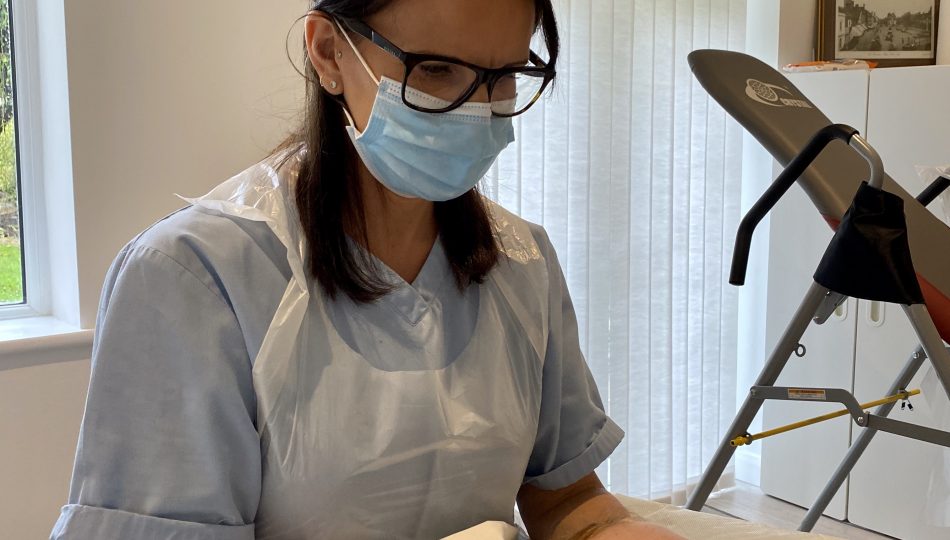
What is Osteopathy?
- Osteopathy recognises that much of the pain and discomfort people experience is related to how the body’s structure and function work together.
- Osteopaths assess, diagnose, and treat problems affecting muscles, ligaments, joints, and nerves to support the body’s natural ability to adapt and recover.
- Treatment involves gentle, hands-on techniques aimed at easing pain, reducing tension, and improving movement. Some techniques may involve joint articulation or manipulation, which can occasionally produce an audible sound caused by natural pressure changes within the joint.
- Osteopathy does not involve the use of drugs or surgery.
What do osteopaths treat?
- Osteopaths work with people of all ages and backgrounds and commonly help with a wide range of musculoskeletal concerns.
- Back and neck pain are frequently treated, often related to posture, joint restriction, muscular strain, or spinal mechanics.
- Headaches and tension-related discomfort may arise from stiffness and strain within the neck, shoulders, and upper back.
- Work-related problems can develop from prolonged sitting, repetitive tasks, or physically demanding roles, affecting areas such as the back, arms, and hands.
- As people age, changes in mobility and resilience can increase susceptibility to aches, stiffness, and reduced movement, which osteopathic care can help address.
Osteopathy for different needs
Osteopathy takes a whole-person approach, considering lifestyle, posture, movement patterns, and general health alongside physical symptoms. Some people attend for general osteopathic care, while others may benefit from more specialised services depending on their needs.
If you are looking for care for children, you can find more information about our paediatric osteopathy service. If you are interested in a gentle, technique-focused approach, you can learn more about cranial osteopathy.
Visiting an osteopath
- On your first visit to an osteopath in East Grinstead, your osteopath will take a detailed medical history before carrying out an assessment. This may involve observation, movement testing, and gentle hands-on examination.
- The osteopath uses a highly developed sense of touch to identify areas of tension, restriction, or imbalance. Where appropriate, further investigations such as imaging or referral for tests may be recommended.
- Your osteopath will explain what they are doing throughout the consultation and discuss findings and treatment options. If further medical input is needed, this can be discussed with your GP, with your consent.
Total Health Osteopathy and private medical insurance
- AVIVA
- SIMPLY HEALTH including BCWA
- WPA
- GROUPAMA
- PRU HEALTH
- CIGNA